

How to Fit Kennel Space: A Practical Guide
Table of Contents
- How to Measure a Dog for a Crate
- Dog Kennel Size Guide: Matching Measurements to Crate Dimensions
- Where to Put a Dog Crate at Home
- How to Fit Two Dog Crates in a Small Space
- How to Fit Kennel Space Without Compromising Your Home's Aesthetic
- Common Mistakes to Avoid When Fitting Kennel Space
- Frequently Asked Questions
Last Updated: October 11, 2026
How to Measure a Dog for a Crate
Accurate measurements are essential for selecting a kennel that fits properly and prevents costly mistakes.
Your dog needs room to stand, turn around, and lie down comfortably. Too small causes stress; too large defeats the den-like purpose. The right fit keeps your dog calm and secure.
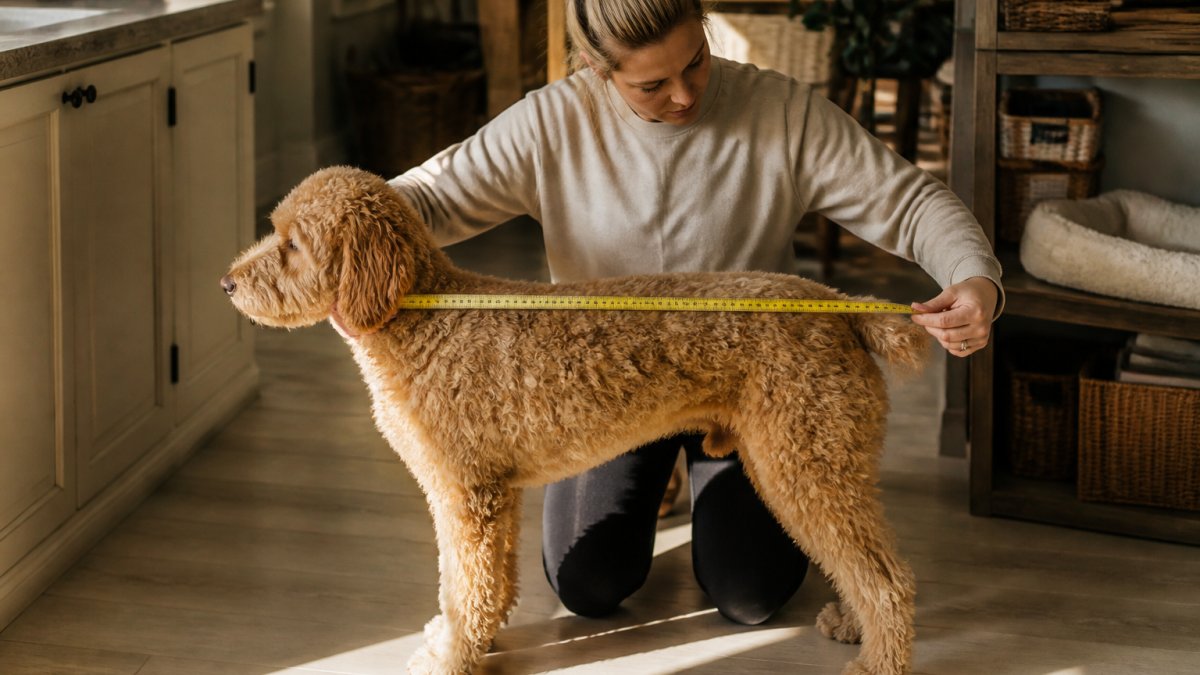
Step 1: Measure Body Length (Nose to Tail Base)
Have your dog stand naturally on a flat surface. Measure from the tip of the nose to the base of the tail using a soft measuring tape or string. Write down this measurement in inches, it's the minimum interior length your kennel needs.
Add 4-6 inches for comfort so your dog can stretch out without touching the back wall and shift positions while resting.
Example: A dog measuring 22 inches from nose to tail base needs a kennel with at least 26-28 inches of interior length.
Step 2: Measure Standing Height (Floor to Top of Head)
Have your dog stand on a level floor and measure from floor to the top of the head or ear tips. Your kennel's interior height should be at least this tall, ideally 2-4 inches taller, so your dog stands with head up without touching the roof. Dogs that can't fully stand become anxious and feel trapped.
Example: A dog standing 16 inches tall needs a kennel with at least 18-20 inches of interior height.
Step 3: Measure Chest Width and Shoulder Span
Measure the widest part of your dog's chest or shoulders while standing. Your kennel's interior width should be at least 4-6 inches wider than this measurement, allowing your dog to pivot without bumping the sides.
Example: A dog with a 14-inch shoulder span needs a kennel with at least 18-20 inches of interior width.
Breed, Age, and Mobility Considerations
Different dogs have different proportions. A tall, lean Greyhound needs more length; a stocky Bulldog needs more width. Always measure your individual dog rather than relying on breed size alone.
Puppies: Buy a crate sized for adult weight and use a divider panel to reduce usable space while young.
Senior dogs and dogs with mobility issues: Older dogs with arthritis, hip dysplasia, or spinal problems benefit from extra height and width to shift weight without strain.
Large and giant breeds: Dogs over 80 pounds often need custom or oversized crates. For dogs requiring truly tailored dimensions, a Custom Built Dog House ensures your dog gets a space engineered to their exact measurements.
Create a Measurement Checklist
Write down all three measurements (length, height, width), your dog's age, breed, and any mobility concerns. When shopping, compare your dog's measurements directly to the crate's interior dimensions on the product label. Do not rely on size labels like "Large" or "Extra-Large", these vary widely between manufacturers.
Dog Kennel Size Guide: Matching Measurements to Crate Dimensions
Match your dog's measurements to actual kennel interior dimensions (length, width, height). Many owners buy based on breed size alone, but a "large" crate might be too small for a tall dog or too big for a stocky one. Your actual measurements are what matter.
Space to Stand, Turn Around, and Lie Down
Your dog needs three movements: standing (covered by height measurement), turning around (needs sufficient width to pivot), and lying down flat (essential comfort, not luxury). If your dog measures 24 inches long, a 30-inch crate is barely adequate; 36 inches is better. If your dog stands 18 inches tall, 24 inches is minimum; 26-28 inches is ideal.
Accounting for Bedding and Orthopedic Beds
An orthopedic bed can reduce usable space by 2-3 inches in each direction. If using a thick bed, measure its height and length, then add to your dog's measurements. A 30-inch crate with a 4-inch-thick bed leaves only 26 inches of effective length. Don't skip orthopedic beds for older dogs, buy the next size up instead.
Avoiding Sizing Mistakes
The most common mistake is buying too large, it defeats crate training since dogs can sleep in one corner and use another as a bathroom. Too small causes anxiety and stress. The sweet spot is a kennel where your dog can stand, turn, and lie down, but not so large they can use it as a bathroom, creating a den-like feeling.
Where to Put a Dog Crate at Home
Location matters as much as size. The right spot keeps your dog calm and integrated into family life. The wrong spot creates stress and isolation.
Choosing the Right Room
Place your dog's kennel in a room where your family spends time. Dogs are pack animals and want to be near you. Living rooms, bedrooms, and home offices work well, letting your dog see and hear family activity. A crate hidden in a basement makes your dog feel abandoned.
Avoid high-traffic hallways where movement and noise stress confined dogs. Choose a corner or alcove with a clear view. Keep crates away from heating vents, air conditioning units, and direct sunlight, extreme temperatures stress dogs.
Safe Clearance and Placement Details
Leave at least 12 inches of clearance on all sides for air circulation, access, and to prevent your dog from feeling boxed in. If using a furniture-style crate like the Moderno Contemporary Luxury Dog Crate, position it as an attractive piece that fits your room's layout, not squeezed into a corner.

Avoid placing crates near water bowls or food dishes if possible. Dogs prefer not to eliminate near their eating area. If space is tight, use elevated feeders positioned away from the crate opening.
How to Fit Two Dog Crates in a Small Space
Multiple dogs need their own kennels. Sharing a crate causes stress and behavioral problems. A measured, planned approach solves space constraints without guesswork.
Artisanal Luxury Wooden Dog Kennel & End Table →
Measure Your Available Space First
Measure your available floor space first, this is the most critical step. Record room length and width, note doors, windows, and vents. Each crate needs 12 inches of clearance on all sides. Sketch a floor plan marking permanent fixtures and potential crate placements. If considering vertical stacking, measure ceiling height (most homes have 8-foot ceilings; two stacked crates reach about 5-6 feet).
Layout Options for Two Crates
Option 1: Side-by-Side Along One Wall
Place two crates parallel along a single wall if your room is at least 5-6 feet wide.
Option 2: Corner L-Shape
Position one crate in a corner, then place a second perpendicular along an adjacent wall, using roughly 3.5 feet × 3.5 feet of corner space.
Option 3: Vertical Stacking
Stack crates vertically if ceiling height allows (ideal for very small floor spaces).
Option 4: Diagonal or Angled Placement
Angle crates slightly (30-45 degrees) instead of flush against walls. Advantage: Breaks visual monotony; makes a small room feel intentional. Disadvantage: Uses more floor space than corner or stacked arrangements; may block foot traffic.
Clearance and Safety Checklist for Multi-Kennel Spaces
- Each crate has at least 12 inches of clearance on all sides.
- Crates do not block doorways or create tripping hazards.
- Air can circulate around and between the crates (no crates pushed flush against walls on all sides).
- You can access both crates for cleaning, feeding, and letting dogs in and out.
- Crates are not in direct sunlight or near heating/cooling vents.
- If stacking, the lower crate is stable and rated for stacking; upper crate is secure.
- Food and water bowls are positioned away from crate openings to prevent soiling.
- Dogs cannot see each other's food, which may trigger resource guarding.
Visualize Before You Buy
Take photos of your space from multiple angles. Bring these photos when shopping or consulting with designers. Use a smartphone app or cardboard boxes to simulate crate sizes in your room. This prevents the costly mistake of buying crates that don't fit your space or your dogs' needs.
If possible, visit a pet retailer and measure display crates in person. Compare the actual footprint to your room sketch. Seeing the crates in three dimensions, not just on a spec sheet, helps you make a confident decision.
How to Fit Kennel Space Without Compromising Your Home's Aesthetic
Premium kennels from Dogominium are designed to enhance your home, not detract from it. The Artisanal Luxury Wooden Dog Kennel & End Table serves double duty as functional pet furniture and an attractive accent piece.

Furniture-style crates come in finishes that match your décor. Modern homes pair well with the sleek lines of contemporary kennels. Rustic or transitional spaces work beautifully with wood-finished designs.
Color coordination matters. Neutral tones like grey, natural wood, and matte black blend seamlessly into most interiors. Bold colors work if they match accent pieces in your room.
Consider sight lines. A crate at eye level draws attention. Positioning it slightly lower or behind a piece of furniture makes it less visually prominent while keeping your dog comfortable.
Common Mistakes to Avoid When Fitting Kennel Space
Buying before measuring is the biggest mistake.
Ignoring ventilation is another common error. Crates need airflow. Placing a crate against a wall on all sides traps heat and creates stuffiness. Leave space for air to circulate.
Overcrowding your space defeats the purpose. A crate crammed into a corner with furniture pressing against it feels claustrophobic, for both you and your dog.
Skipping the comfort layer is a mistake owners regret. A bare crate floor is hard and cold. A quality mat or orthopedic bed transforms the space into a genuine den.
Fitting kennel space successfully requires measuring your dog accurately, choosing the right size, and placing the crate thoughtfully in your home. Dogominium's Moderno Contemporary Luxury Dog Crate combines precise sizing options with architectural design, so your dog gets a properly fitting space that enhances your home rather than cluttering it.
Frequently Asked Questions
How do I know if my dog has enough room to stand, turn around, and lie down in a crate?
Your dog should be able to stand with their head upright without touching the top, turn around in a complete circle, and stretch out fully when lying down. Measure your dog's standing height from paw to top of head, and body length from nose to base of tail. Add 4-6 inches to each measurement. If your crate meets these dimensions with bedding included, your dog has adequate space. A crate that is too small can cause anxiety and discomfort; one that is too large may encourage your dog to use one corner as a bathroom.
What's the best way to fit kennel space in a small bedroom or apartment?
Start by measuring your available floor space and identifying low-traffic areas like corners, against a wall, or under a window. Consider furniture-style crates that double as end tables or side tables, which integrate seamlessly into tight layouts. If you need two crates, stack them vertically or position them perpendicular to each other to maximize floor space. Ensure at least 6-12 inches of clearance around the crate for ventilation and safe access. A well-placed crate becomes part of your home's design rather than an eyesore.
How much clearance should I leave around a dog crate?
Leave at least 6-12 inches of clearance on all sides of the crate for proper ventilation, easy cleaning, and safe movement around the space. If the crate is against a wall, ensure the wall side has adequate airflow. Keep the crate away from direct sunlight, heating vents, and air conditioning units to maintain a comfortable temperature. Avoid placing it near doors or high-traffic areas where your dog may feel anxious or in the way. This clearance also prevents the crate from becoming a visual obstruction in your home.
Can I fit a luxury dog crate in my living room without it looking out of place?
Yes. Furniture-style crates like the Moderno Contemporary Luxury Dog Crate or Fresco Luxury Side Table Crate are designed to blend seamlessly into refined interiors. They function as end tables or accent pieces while providing a safe space for your dog. Choose a crate finish that matches your existing furniture palette, neutral greys, warm wood tones, or modern finishes complement most home aesthetics. Position it as you would any other furniture piece, and pair it with a matching crate mat for a polished look. This approach ensures your dog's kennel enhances your home rather than detracting from it.


%0AStep%202:%20Measure%20Standing%20Height%20(Floor%20to%20Top%20of%20Head)%0AStep%203:%20Measure%20Chest%20Width%20and%20Shoulder%20...)