Durable Luxury Dog House Materials Guide
Table of Contents
- Why Material Selection Defines Luxury Dog House Performance
- Best Material for a Dog House: Premium Options Compared
- Wood vs. Plastic Dog House: Durability and Maintenance Trade-offs
- Best Dog House Roof Material: Weather Protection Essentials
- Insulated Dog House Materials: Climate Control and Year-Round Comfort
- Building a Sturdy Base and Floor: Foundation Materials Matter
- Material Safety for Dogs: What to Avoid and Why
- Climate-Specific Material Selection: Hot, Cold, and Humid Regions
- Frequently Asked Questions
Last Updated: October 15, 2026
Why Material Selection Defines Luxury Dog House Performance
The difference between a dog house that lasts five years and one that lasts twenty comes down to one decision: materials. At Dogominium, we've spent years analyzing what separates a shelter that weathers every season from one that deteriorates under sun, rain, and temperature swings.

When you invest in a luxury dog house, you're choosing how your dog experiences outdoor time, whether the structure integrates with your home's aesthetic, and how much maintenance you'll handle. Material selection determines all three.
This guide covers the luxury dog house materials and material decisions that matter most for durable construction: premium options, wood versus plastic, climate-specific choices, and why certain materials command higher prices.
Best Material for a Dog House: Premium Options Compared
Choosing the best luxury dog house materials depends on your climate, your dog's size, and how long you expect the structure to last. For most luxury applications, pressure-treated lumber paired with exterior-grade plywood and quality roofing delivers the optimal balance of durability, aesthetics, and performance.

Pressure-Treated Lumber and Cedar
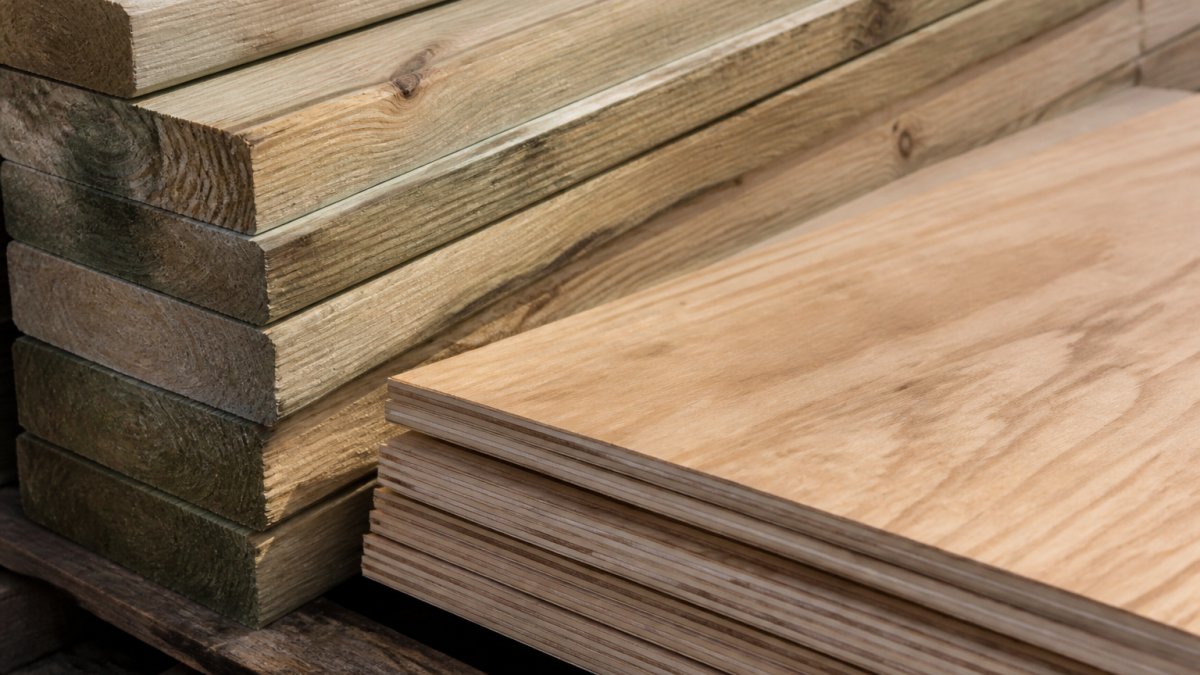
Pressure-treated lumber resists rot and insect damage through chemical preservation; cedar offers natural rot resistance and aesthetic appeal without chemical treatment. Both work well for luxury dog house frames, though they perform differently over time.
Pressure-treated lumber costs less upfront, requires minimal maintenance, and withstands moisture better than untreated wood. The chemical treatment can concern owners whose dogs chew interior surfaces, but modern pressure-treated lumber uses copper-based preservatives rather than arsenic compounds, making it safer than older formulations.
Cedar is the premium choice for visible structural elements. It develops an attractive silver-gray patina, resists decay naturally without chemical treatment, and appeals to owners seeking non-toxic materials.
For a luxury dog house, combining pressure-treated lumber for structural support with cedar for visible framing balances durability and visual appeal, a common approach in high-end constructions.
Exterior-Grade Plywood and Composite Materials
Exterior-grade plywood provides structural sheathing and wall panels, resisting moisture better than interior plywood because it uses waterproof adhesives. Composite materials like fiber-reinforced polymer panels offer consistent performance without wood's variability.
Plywood requires sealing at cut edges and fastener holes; properly sealed and maintained, exterior-grade plywood lasts fifteen to twenty years in most climates. Composite materials eliminate sealing, don't rot, splinter, or warp, but cost more and offer less aesthetic warmth than natural wood.
Many luxury dog houses use plywood for structural panels with cedar or composite trim for visual interest, reducing cost compared to solid cedar while keeping the premium aesthetic.
Wood vs. Plastic Dog House: Durability and Maintenance Trade-offs
Wood and plastic represent fundamentally different approaches to dog house construction. Wood offers superior aesthetics and integrates with home architecture; plastic requires minimal maintenance and performs consistently across climates.
Wood structures demand ongoing care: sealing, staining, or painting extends lifespan and maintains appearance. That appeals to owners who view upkeep as part of ownership but is a drawback for those seeking a set-it-and-forget-it solution.
Plastic dog houses never need painting or staining, resist UV damage better than wood, and don't attract insects or rot.
Durability depends on climate. In humid regions, wood needs more frequent maintenance but lasts longer when cared for. In arid climates, both perform similarly.
For luxury applications, wood is the standard choice: it allows customization, matches home aesthetics, and ages gracefully. Plastic suits functional, hidden, or temporary structures.
Best Dog House Roof Material: Weather Protection Essentials
The roof is the most critical weatherproofing component, determining how well the interior stays dry and how effectively the structure sheds water. Roof material choice affects both durability and thermal performance.
Asphalt Shingles, Metal, and Architectural Options
Asphalt shingles are the most common dog house roofing: affordable, familiar, and adequate in most climates, with standard versions lasting ten to fifteen years.
Metal roofing offers superior durability: standing-seam metal roofs last thirty to fifty years with minimal maintenance, shed water effectively, and reflect heat to keep interiors cooler in summer.
Architectural asphalt shingles represent the best balance for luxury dog houses: they cost less than metal, last longer than standard shingles, and integrate visually with residential roofing. In regions with severe weather, metal roofing justifies its premium cost.
Roof pitch affects drainage and longevity: a steeper pitch sheds water more effectively and reduces pooling. For luxury dog houses, 6:12 or steeper is ideal, and it improves aesthetic proportion too.
Insulated Dog House Materials: Climate Control and Year-Round Comfort
Insulation transforms a dog house from seasonal shelter to year-round refuge. The best insulated dog house materials balance thermal performance with moisture management. Poor insulation creates condensation and mold.
Fiberglass batts are the most common insulation: affordable, easy to install, and adequately thermal.
Closed-cell spray foam provides superior performance. It insulates and seals air leaks simultaneously. It resists moisture better than fiberglass. The trade-off is cost and installation complexity.
For luxury applications, closed-cell spray foam paired with interior vapor barriers delivers the most reliable performance, preventing condensation, maintaining consistent interior temperatures, and supporting long-term durability.
The Custom Built Dog House option allows you to specify insulation and vapor management tailored to your climate, delivering climate control that matches your home's comfort standards.
Executive Luxury Insulated Customized Dog Kennel - 4' × 8' →
Building a Sturdy Base and Floor: Foundation Materials Matter
The base and floor determine whether a dog house resists rot and settling. A poor foundation causes structural failure regardless of how well the walls and roof are built.
Concrete pads provide the most durable foundation, preventing wood from contacting soil moisture and resisting settling.
Pressure-treated lumber skids offer a lower-cost alternative, elevating the structure off soil while allowing air circulation underneath.
The floor material should resist moisture and withstand dog traffic. Polyurea flooring, used in premium luxury dog houses, provides industrial-grade durability: it resists scratches, cleans easily, and doesn't absorb moisture.
Proper drainage around the base prevents water pooling: grade the surrounding ground to slope away, and use gravel or landscape fabric underneath. These minor details prevent ninety percent of moisture-related failures.
Material Safety for Dogs: What to Avoid and Why
Not all building materials are safe for dogs. Some contain toxins; others create hazards through splinters, sharp edges, or chemical off-gassing.
Pressure-treated lumber, properly installed and sealed, is safe for dogs, the chemical preservatives don't leach from the wood surface.
Creosote-treated wood is unsafe. Creosote is a carcinogenic compound used on older utility poles and railroad ties. Never use creosote-treated materials in dog houses.
Lead paint poses a serious risk.
Plastic materials should be UV-stabilized. Non-stabilized plastic breaks down under sunlight, creating sharp fragments and releasing chemicals.
Avoid materials treated with pesticides or fungicides beyond standard wood preservation, since some older treatments contain compounds toxic to dogs.
Ventilation prevents off-gassing: a well-ventilated dog house lets volatile compounds dissipate, while poor ventilation concentrates chemical vapors. Adequate ventilation protects your dog and prevents moisture accumulation.
Climate-Specific Material Selection: Hot, Cold, and Humid Regions
Material performance varies dramatically by climate, what works in Arizona may fail in Florida. Understanding regional challenges guides material selection.
In hot, arid climates, metal roofing reflects heat effectively and light-colored materials reduce heat absorption, while ventilation becomes critical because shading is limited.
In cold regions, insulation is the priority: closed-cell spray foam prevents condensation when warm interior air meets cold exterior surfaces, and metal roofing sheds snow to prevent ice dams.
In humid regions, moisture management dominates: closed-cell foam insulation with vapor barriers prevents mold, and metal roofing resists the constant moisture that degrades asphalt shingles.
In regions with temperature extremes, materials that handle expansion and contraction without damage perform best.
| Climate Type | Best Roofing | Best Frame | Best Flooring | Priority Factor |
|---|---|---|---|---|
| Hot, Arid | Metal or light-colored shingles | Cedar or pressure-treated | Sealed concrete | Heat reflection and ventilation |
| Cold, Dry | Metal or steep-pitch shingles | Pressure-treated lumber | Polyurea or sealed plywood | Insulation and snow shedding |
| Humid | Metal or architectural shingles | Cedar or composite | Polyurea with vapor barrier | Moisture management and ventilation |
| Temperature Extremes | Metal with thermal breaks | Composite or pressure-treated | Polyurea with expansion allowance | Material stability and fastening |
Selecting materials for a luxury dog house means understanding how each component performs in your climate and how materials interact.
When you choose Dogominium, you're investing in a structure engineered with these principles built in. Our Custom Built Dog House uses residential-grade construction standards, proper insulation with vapor management, and materials selected for durability across diverse climates. Every purchase supports animal welfare through our commitment to donate one percent of profits to rescue shelters. SHOP ALL to explore our full range of architecturally inspired dog dwellings.
Frequently Asked Questions
What is the best material for a luxury dog house?
Premium luxury dog houses use pressure-treated cedar, exterior-grade plywood, or composite materials combined with insulation systems. Cedar resists decay naturally and ages beautifully. Pressure-treated lumber offers durability and affordability. For maximum climate control, insulated dog house materials like polyurethane foam with residential-grade construction standards provide year-round protection. The Executive Luxury Insulated Customized Dog Kennel uses polyurea flooring and Trusscore wallboard, the gold standard for animal housing hygiene, ensuring durability and easy maintenance.
Should I choose wood or plastic for an outdoor dog house?
Wood offers superior aesthetics, breathability, and architectural integration with luxury homes, but requires regular maintenance and weatherproofing. Plastic requires minimal maintenance and resists rot, but can crack in extreme temperatures and doesn't match high-end home design. For discerning pet owners, wood with proper exterior-grade finishes and waterproofing delivers the refined look luxury dog houses demand, though plastic works well in stable climates where maintenance is a priority.
What roof material works best for a dog house?
Asphalt shingles offer affordability and weather protection, while metal roofing provides superior durability and longevity in harsh climates. Architectural shingles blend durability with aesthetic appeal. A sloped roof design with proper overhang prevents water pooling. For luxury dog houses, choose roofing materials that match your home's exterior and provide at least 20+ year durability. Ventilation through gable vents prevents moisture buildup, extending the life of interior materials.
How do insulated dog house materials keep dogs comfortable year-round?
Insulation (R-11 or R-13 ratings) traps air, reducing heat transfer in winter and summer. Combined with proper ventilation, powered cooling, and heating systems, insulated materials maintain stable interior temperatures. Polyurea flooring and premium wallboard resist moisture while providing thermal efficiency. Climate-controlled options with HVAC systems offer the highest comfort level, essential for extreme weather regions and show dogs requiring precise environmental control.
How do I protect a wooden dog house from weather damage?
Use exterior-grade finishes like polyurethane or marine-grade sealers applied every 1-2 years. Pressure-treated lumber resists rot naturally. Install proper drainage in the base and floor. Ensure adequate roof overhang to shield walls from rain. Elevate the structure on a sturdy base to prevent ground moisture absorption. Cedar naturally resists decay better than pine or fir. Regular inspection for cracks or peeling finish prevents water infiltration that degrades structural integrity.
What should I look for in a durable luxury dog house?
Prioritize residential-grade construction standards, R-13 insulation, weather-resistant siding, and polyurea or composite flooring. Verify materials withstand your specific climate extremes. Choose fasteners rated for exterior use to prevent rust. Look for customization options that match your home's aesthetic. Consider climate-controlled features with heating and cooling for extreme regions. Warranty coverage and after-hours consultation services indicate manufacturer confidence in durability and commitment to customer satisfaction.
Is it cheaper to buy or build a luxury dog house?
Building allows cost control but demands construction expertise, tools, and time. Premium materials (pressure-treated cedar, exterior-grade plywood, quality hardware) add up quickly. Custom luxury options like the Executive Estate with climate control, insulation, and architectural finishes cost $6,500-$14,800 depending on size, but deliver residential-grade durability, integrated HVAC, and design integration that DIY projects rarely match. Professional builds offer warranties and precision engineering that protect your investment long-term.